COP31 · Antalya · November 2026
A climate hackathon at COP31.
Hack for the Futures is a free, in-person programme in Antalya. Teams develop a climate tool, resource, or policy position across eight tracks.
We will email you when applications open.
Send us a climate problem tied to a decision or community need.
You will need to arrange your own COP accreditation, travel, and visa. GYC does not issue badges or fund travel. Read access terms
- Foresight
- Tools and resources
- Policy positions

How it works
Before, during, and after COP31.
Apply, work with a team in Antalya, then continue selected projects after COP31.
01 Before Antalya
Apply and prepare.
Application updates and two planned online sessions will cover the challenges and programme method.
- September 2026AI for Climate
Review responsible AI use and examples from climate research, policy, and delivery.
Choose a challenge and list the AI tools you may use.Planned · exact date to be confirmed - October 2026Climate Tools Lab
Try climate data, research tools, no-code platforms, coding assistants, and rapid prototyping methods.
Draft a work plan, choose tools, and define your role.Planned · exact date to be confirmed
- September 2026AI for Climate
02 During the programme
Use one shared workspace.
The participant platform holds team details, challenge briefs, resources, feedback, deadlines, and project records.
View the participant platform03 After the showcase
Continue selected projects.
Depending on readiness, partner fit, and availability, teams may receive mentorship or introductions to pilots, incubators, policy contacts, and funders. These opportunities are not guaranteed.
Partner with the programme
Partners help shape challenges, give feedback, and support selected projects after COP31.
How teams work
How teams work
Teams define a decision, test assumptions, make a tool or position, and agree who owns the next step.
- 01
Map the decision.
Look ahead to 2030, 2040, and 2050. Identify who has power, who could be harmed, and which assumptions the idea depends on. The School of International Futures provides the method used in every submission.
- 02
Make a tool, resource, or policy position.
Seven tracks produce something a challenge owner can test or use. The AI and Climate track produces an evidence-based position for a delegation or institution.
- 03
Plan the next 3–12 months.
Work with a challenge owner, publish the project record, and agree who is responsible for the next step. Six months of support is available where partner fit and capacity allow.
Foresight method
Five questions before teams start building.
Used for every submission.- 01NoticeSignals + shifts
What is changing?
- 02Consider2030 · 2040 · 2050
What might be different in 2030, 2040, and 2050?
- 03CheckPower · harm · agency
Who benefits, and who could be harmed?
- 04MakePrototype or position
What can the challenge owner test or use?
- 05PlanOwner + next step
Who is responsible for the next step?
Every team submits the same core materials. On the AI and Climate track, a drafted political position takes the place of a prototype. Submit the tool or position and a short foresight scenario describing the context it assumes, the risks, and who might be harmed.
The challenge owner signs off the framing on 10 November.
Where it runs
Where it runs
The programme runs across three sites: COY31 for introductions, GYC House for workshops, and COP31 for public events.
Map © OpenStreetMap · © CARTO · Expo 2016 / Aksu · Kaleiçi district
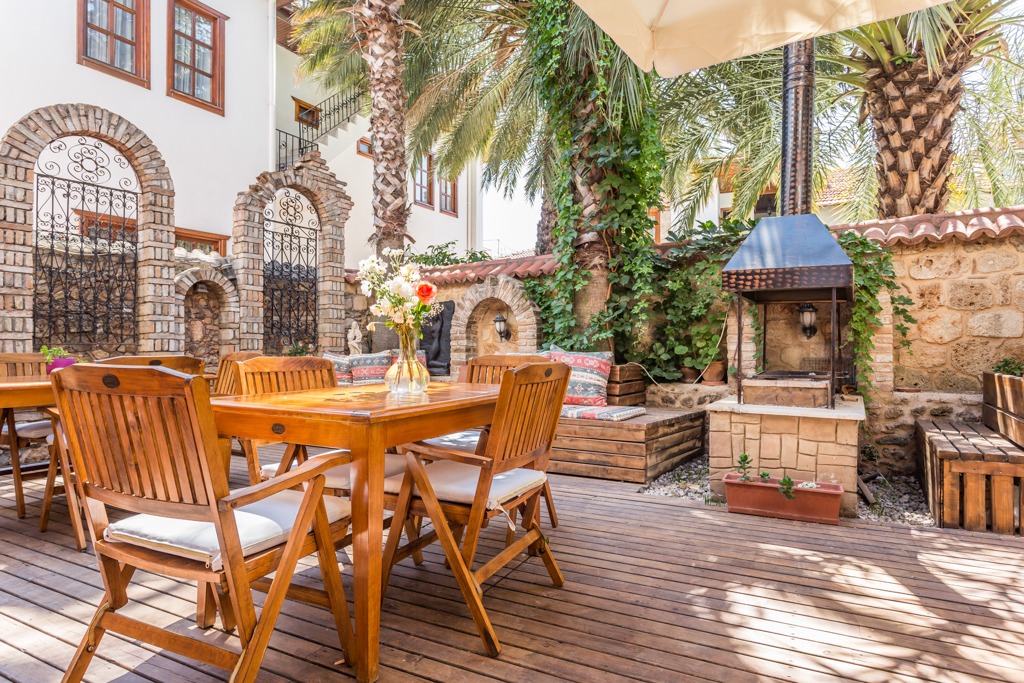
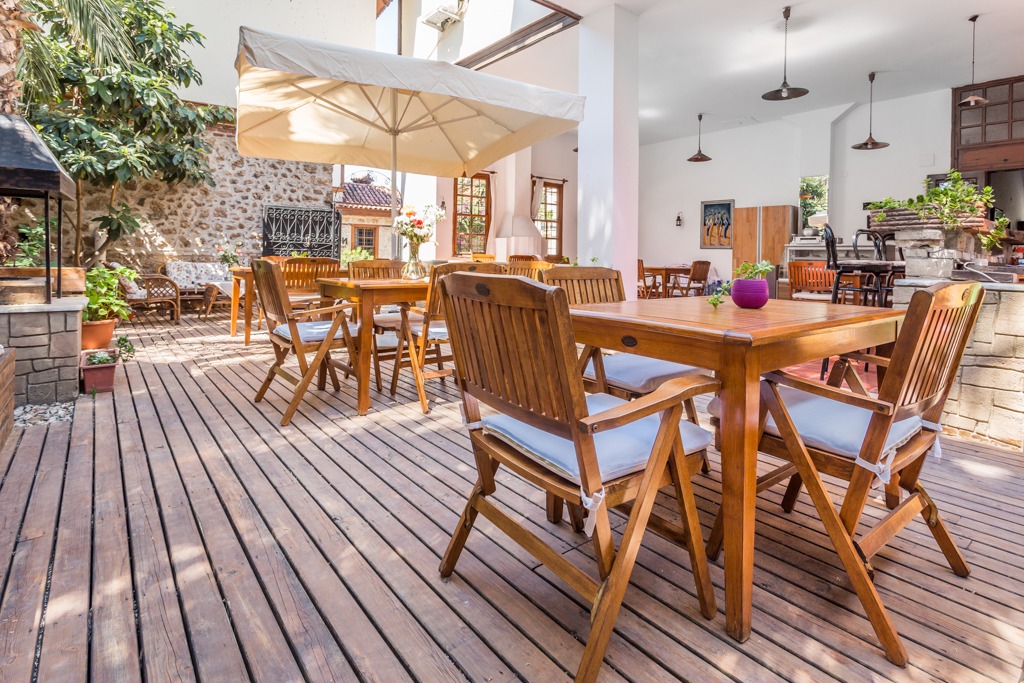


GYC House
Kaleiçi old city, about 30 minutes from the EXPO Center
- When
- Hack for the Futures workshops run from 9–13 November. GYC House remains open for other COP programming through 20 November.
- What happens here
- GYC House hosts workshops, mentor sessions, working time, and receptions from 9–13 November.
GYC House has 30 beds, while the programme has 90 places. A place in the programme does not include a bed.
Visit GYC House- Workshops and working sessions
- Problem-framing sessions
- Problem framing due
- Working version due
- Final submission due
GYC House ↔ EXPO · The House and EXPO Center are around 30 minutes apart. Each programme day stays at one site.
Programme
Programme
Challenge briefs and applications are prepared online. In Antalya, teams meet at COY31, work at GYC House, and present selected outputs at COP31. Six months of follow-on support begins in December.
Current phaseApplicationsBefore Antalya
Before Antalya
Challenge preparation + applications · remote
- Remote
Challenge sourcingNow
We are collecting challenge briefs from negotiators, YOUNGO, institutions, and communities.
For Challenge owners and programme team - Remote
ApplicationsNow
Application dates are not yet confirmed. Programme places do not include COP badges.
For Applicants
In Antalya
November · COY31, GYC House, COP31
- COY31
Capacity-building and introductions
Participants meet, learn the foresight method, and review the challenges.
For Selected participants · programme intent - GYC House
Workshops and working sessions
Teams work through workshops, mentor sessions, shared working time, and receptions.
For Selected teams - GYC House
Problem-framing sessions
Challenge owners and teams agree the problem they are solving before the first deadline.
For Selected teams and challenge owners
- COP31
No required sessions
The submitted work stays unchanged. Teams can attend COP and prepare for the public showcase.
For Selected teams · no required sessions - COP31
Public events and showcase
Teams present selected submissions in the Blue and Green Zones. Foresight forms part of the score.
For Selected teams and public audience
After Antalya
Post-COP support · remote
- Remote
Incubation
Six months of mentorship, introductions, and public project updates.
For Continuing teams
Tracks
Tracks
There are eight tracks. Seven produce a tool or resource; AI and Climate produces a policy position. Organisations can propose a challenge linked to a current decision.

Agro-food systems
Food systems, land use, and rights of nature.
The YOUNGO Food and Agriculture Working Group supports this track by proposing challenges and judging entries. Other community briefs are welcome.
Who can use this A delegation brief, community decision process, or rights-of-nature proposal.
- 01Show land-use trade-offs clearly to communities.
- 02Apply rights-of-nature principles to a current food-system decision.
- 03Create a supply-chain reporting method for a delegation.
Access
Access
Read these terms before booking travel. There is no programme fee. Participants pay for their own travel, visa, accommodation, and accreditation. GYC does not provide COP badges.
What you arrange yourself
- 01Do I need a COP badge?
You need accreditation for Blue Zone events. GYC cannot provide a badge. Green Zone and COY31 access use separate processes. UNFCCC COP31 Portal
- 02Will you pay for my travel, visa, or hotel?
No. This edition has no travel fund or bursary. We will update this page if that changes.
- 03Is this free to take part in?
Yes. There is no programme fee. You remain responsible for travel, accommodation, visa, and venue access costs.
- 04Can I stay at GYC House?
GYC House has 30 beds, separate from the 90 programme places. Accommodation rules are not confirmed, so arrange your own stay. GYC House site
How participation works
- 01Can I apply alone? What if I do not code?
Yes. You can apply alone and be matched into a team. Coding is not required; research, design, policy, community knowledge, facilitation, and engineering are all relevant.
- 02How much time will I need?
The full schedule is not confirmed. If selected, plan to attend the GYC House workshops from 9–13 November. Some teams will also present from 18–20 November. We will publish the full commitment with the application dates.
- 03Can I take part remotely?
The Antalya programme is in person. No remote participant option is confirmed. Challenge preparation and post-COP support can happen online.
- 04What is the working language?
The working language is English. Turkish is the main language outside the event venues.
- 05Who owns the work?
Teams keep the intellectual property they create. Challenge owners receive the agreed brief or output. We will publish the full IP terms with the application materials.
Partners
Partners
Partners provide challenges, mentors, tools, venues, or support after COP31.
How your organisation can help
Choose one or more contributions below. We list people and programme commitments only after they are confirmed.
Partner with the programme- 01Propose a challenge
Provide a problem, a responsible owner, relevant evidence, and a decision date.
- 02Provide mentors or access
Nominate a mentor or judge, provide technical tools, or give teams access to relevant expertise.
- 03Host a session
Host a working session, reception, briefing, or public event for teams and potential users.
- 04Support a project after COP31
Offer a pilot, residency, publication, funding, incubation place, or advice. We list support only after it is confirmed.