COP31 · Antalya · November 2026
A climate hackathon at COP31.
Hack for the Futures is a free, in-person programme in Antalya. Every team builds a project and prepares political positions and policy recommendations for COPs and the G20.
Register as a participant.
Send us a climate problem tied to a decision or community need.
You will need to arrange your own COP accreditation, travel, and visa. GYC does not issue badges or fund travel. Read access terms

How it works
Before, during, and after COP31.
Apply, work with a team in Antalya, then continue selected projects after COP31.
01 Before Antalya
Apply and prepare.
Register by 15 November 2026 at 18:00 Europe/Istanbul. Build days start 9 November. Two online sessions were planned for September and October; their delivery has not been confirmed.
02 During the programme
Use one shared workspace.
The participant platform holds team details, challenge briefs, resources, feedback, deadlines, and project records.
How the workspace works03 After the showcase
Continue selected projects.
Depending on readiness, partner fit, and availability, teams may receive mentorship or introductions to pilots, incubators, policy contacts, and funders. These opportunities are not guaranteed.
Partner with the programme
Earlier online plans · delivery not confirmed
- September 2026AI for Climate
Review responsible AI use and examples from climate research, policy, and delivery.
Choose a challenge and list the AI tools you may use.Historical plan · delivery not confirmed - October 2026Climate Tools Lab
Try climate data, research tools, no-code platforms, coding assistants, and rapid prototyping methods.
Draft a work plan, choose tools, and define your role.Historical plan · delivery not confirmed
Partners help shape challenges, give feedback, and support selected projects after COP31.
How teams work
How teams work
Teams map a decision, build the work, and agree who owns the next step.
- 01
Map the decision.
Look ahead to 2030, 2040, and 2050. Identify who has power, who could be harmed, and which assumptions the idea depends on. The School of International Futures provides the method used in every submission.
- 02
Build the project and the position.
Build the project for this track and write the position the challenge owner can use.
- 03
Plan the next 3–12 months.
Work with a challenge owner, publish the project record, and agree who is responsible for the next step. Six months of support is available where partner fit and capacity allow.
Foresight method
Five questions before teams start building.
Used for every submission.- 01NoticeSignals + shifts
What is changing?
- 02Consider2030 · 2040 · 2050
What might be different in 2030, 2040, and 2050?
- 03CheckPower · harm · agency
Who benefits, and who could be harmed?
- 04MakeProject and position
What project and COP/G20 position can a decision-maker use?
- 05PlanOwner + next step
Who is responsible for the next step?
Every team leaves a project, a COP/G20 position, and five foresight answers. Teams keep the intellectual property they create. The challenge owner receives the agreed output.
Problem framing is due on 10 November at 18:00. A confirmed challenge owner signs it off. If the track has no owner yet, the organising team signs it off.
Where it runs
Where it runs
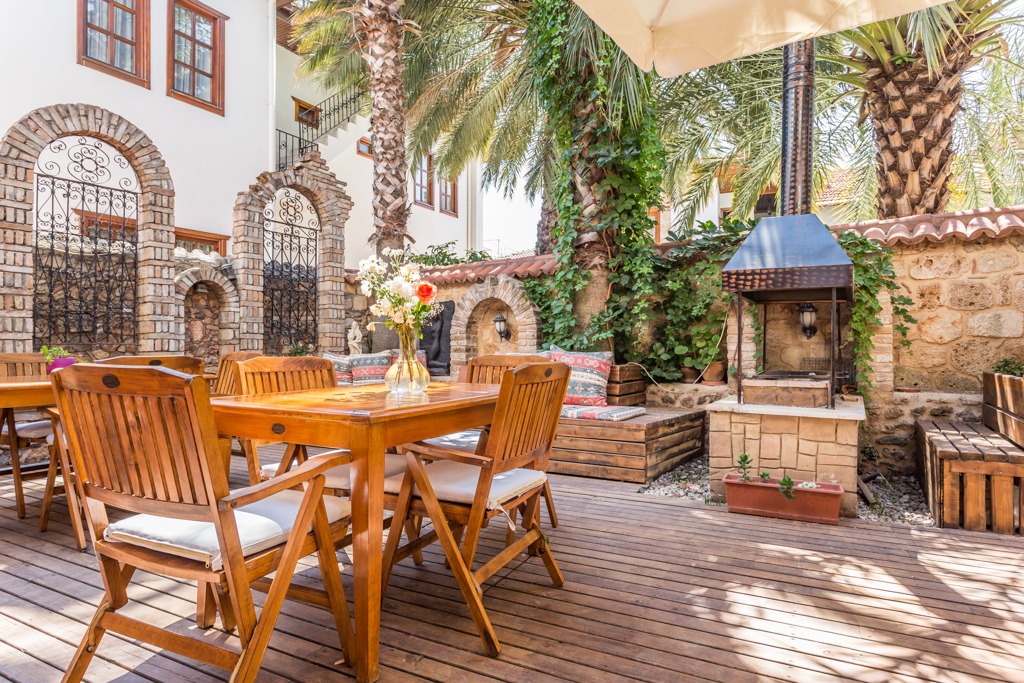
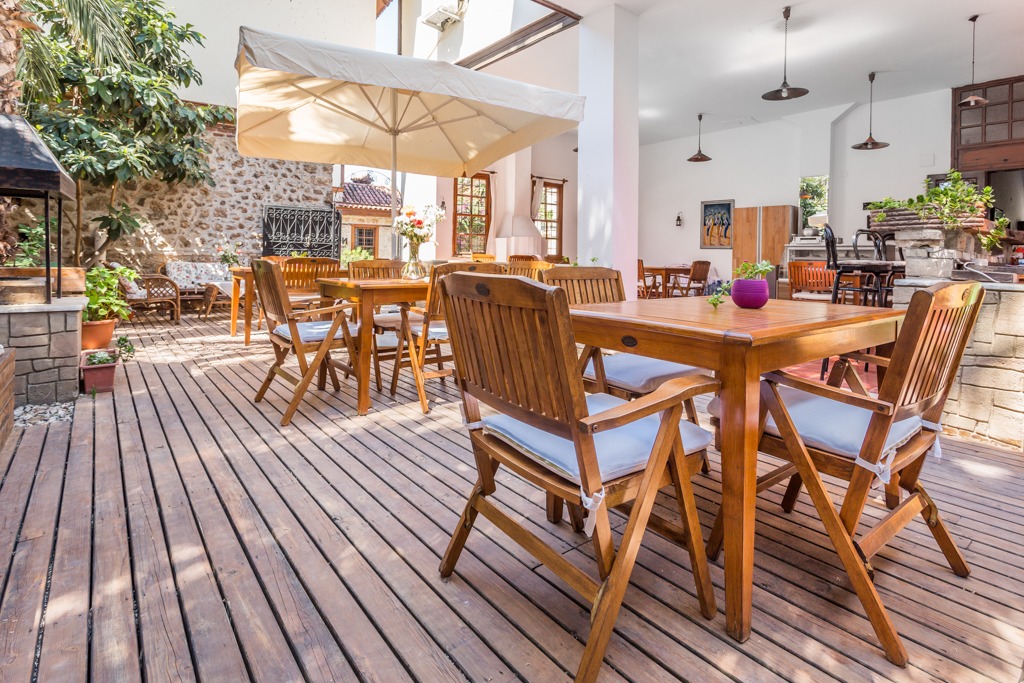
Build days run in different Antalya locations from 9–13 November. GYC House in Kaleiçi is the base. From 14–20 November the work is follow-up, showcasing, and strategic engagement.
Map © OpenStreetMap · © CARTO · Expo 2016 / Aksu · Kaleiçi district


GYC House
Kaleiçi base, about 30 minutes from the EXPO Center. Build days also use other Antalya locations.
- When
- The House is the base from 9–20 November. Build days are 9–13 November, in different Antalya locations.
- What happens here
- GYC House is the base for workshops, mentor sessions, working time, and receptions. Teams also build in other Antalya locations from 9–13 November.
GYC House has about 30 beds. There is no participant cap. A programme place does not include a bed, so arrange your own stay.
Visit GYC House- Build days
- Problem-framing sessions
- Problem framing due
- Working version due
GYC House ↔ EXPO · The House and EXPO Center are around 30 minutes apart. A team is not booked at both on the same day.
Programme
Programme
Challenge briefs and registrations are prepared online. In Antalya, teams build from 9–13 November in different locations, with GYC House as the base. From 14–20 November the days are follow-up, showcasing, and strategic engagement. Six months of follow-on support begins in December.
Current phaseBuild daysIn Antalya
Before Antalya
Challenge preparation + registrations · remote
- Remote
Challenge sourcing
We are collecting challenge briefs from negotiators, YOUNGO, institutions, and communities.
For Challenge owners and programme team - Remote
ApplicationsNow
Registration is open through 15 November 2026 at 18:00 Europe/Istanbul. Verifying your email and choosing a password opens the workspace. A place does not include a COP badge, travel funding, or a project.
For Applicants
In Antalya
Build 9–13 November · follow-up 14–20 November
- COY31
Capacity-building and introductions
Introduction sessions were planned for these dates. Delivery has not been confirmed.
Do not travel for these sessions unless the organising team confirms a time and place.
For Planned introductions · travel only if a session is confirmed - Antalya locations
Build daysNow
Teams build in different Antalya locations. GYC House in Kaleiçi is the base, not the only workplace.
For Selected teams - Antalya locations
Problem-framing sessions
Teams agree the problem with the challenge owner, or with the organising team when that track has no owner yet.
For Selected teams and challenge owners
- Antalya and COP venues
Follow-up and showcasing
Follow-up, showcasing, and strategic engagement. Final submissions close 15 November at 18:00. Public events may include the Blue and Green Zones. A presentation slot is not guaranteed.
For Selected teams · follow-up and public events
After Antalya
Post-COP support · remote
- Remote
Incubation
Every team keeps a public project record. Selected continuing teams may receive mentorship, pilots, or introductions — these are not guaranteed.
For Continuing teams
London · 22 June 2026
The first edition
The first edition ran for one day during London Climate Action Week 2026. Each team produced a prototype and a future scenario.
Read the London edition
Tracks
Tracks
There are eight tracks. Every team builds a project and prepares a political position and policy recommendations for COPs and the G20. Organisations can propose a challenge linked to a current decision.

Agro-food systems
Food systems, land use, and rights of nature.
Ezmior Earth is the challenge owner for this track. The YOUNGO Food and Agriculture Working Group supports this track by proposing challenges and judging entries. Other community briefs are welcome.
Who can use this A delegation brief, community decision process, or rights-of-nature proposal.
- 01Show land-use trade-offs clearly to communities.
- 02Apply rights-of-nature principles to a current food-system decision.
- 03Create a supply-chain reporting method for a delegation.
Access
Access
Read these terms before booking travel. There is no programme fee. Participants pay for their own travel, visa, accommodation, and accreditation. GYC does not provide COP badges.
What you arrange yourself
- 01Do I need a COP badge?
You need accreditation for Blue Zone events. GYC cannot provide a badge. Green Zone and COY31 access use separate processes. UNFCCC COP31 Portal
- 02Will you pay for my travel, visa, or hotel?
No. This edition has no travel fund or bursary. We will update this page if that changes.
- 03Is this free to take part in?
Yes. There is no programme fee. You remain responsible for travel, accommodation, visa, and venue access costs.
- 04Can I stay at GYC House?
GYC House has about 30 beds. There is no participant cap, and a programme place does not include a bed. Arrange your own stay. GYC House site
How participation works
- 01Can I apply alone? What if I do not code?
Yes. You can apply alone. After your account opens, you start a project and can invite people later. Coding is not required; research, design, policy, community knowledge, facilitation, and engineering are all relevant.
- 02How much time will I need?
Plan for build days from 9–13 November in different Antalya locations, with GYC House as the base, then follow-up from 14–20 November. Registration is open through 15 November 2026 at 18:00 Europe/Istanbul. Final online project submissions are due at that same time. Verifying your email and choosing a password opens the workspace. Registration does not create a project.
- 03Can I take part remotely?
The Antalya programme is in person. No remote participant option is confirmed. Challenge preparation and post-COP support can happen online.
- 04What is the working language?
The working language is English. Turkish is the main language outside the event venues.
- 05Who owns the work?
Teams keep the intellectual property they create. The challenge owner receives the agreed brief or output.
Partners
Partners
Partners provide challenges, mentors, tools, venues, or support after COP31.


How your organisation can help
Choose one or more contributions below. We list people and programme commitments only after they are confirmed.
Partner with the programme- 01Propose a challenge
Provide a problem, a responsible owner, relevant evidence, and a decision date.
- 02Provide mentors or access
Nominate a mentor or judge, provide technical tools, or give teams access to relevant expertise.
- 03Host a session
Host a working session, reception, briefing, or public event for teams and potential users.
- 04Support a project after COP31
Offer a pilot, residency, publication, funding, incubation place, or advice. We list support only after it is confirmed.